What Is Modernizing a Vintage Car (and How Does It Work)?
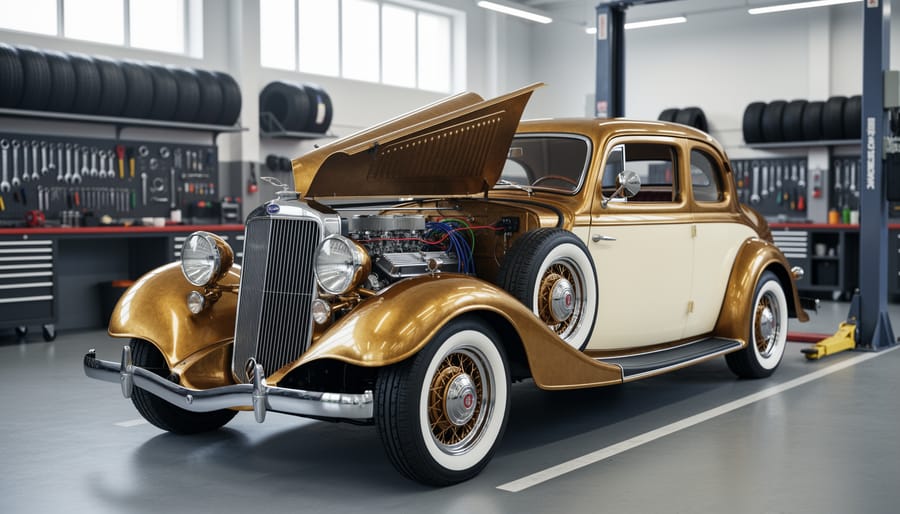
Modernizing a vintage car means upgrading its mechanical, electrical, and safety systems with contemporary components while preserving its classic appearance and character. The practice transforms a collectible automobile from a fragile show piece into a dependable driver that handles modern roads, traffic conditions, and daily use without compromising the aesthetic heritage that makes these vehicles valuable.
Collectors in 2026 face a fundamental tension between preservation and practicality. A meticulously original 1932 Ford roadster might command premium prices at auction, but drum brakes, suspect wiring, and a mechanical fuel pump can turn routine drives into anxiety-inducing experiences. The gap between original engineering and current driving expectations has never been wider. Six-volt electrical systems struggle with modern accessories. Single-circuit brakes offer stopping power that feels terrifying compared to contemporary standards. Carburetors flood in summer heat and refuse to start in winter cold.
This article examines the complete modernization process, from fundamental safety upgrades through performance enhancements to comfort additions. You’ll learn which modifications deliver the greatest practical benefit, how each system integrates with vintage architecture, and where updated components risk damaging collector value versus improving long-term preservation. The guide addresses both the technical execution and the philosophical questions every vintage car owner confronts: how much originality can you sacrifice before the car loses its soul?
The answers depend on your goals. A brass-era touring car destined for cross-country rallies demands different choices than a survivor-grade coupe headed to concours judging. Understanding the spectrum of modernization options lets you make informed decisions that align mechanical reliability with respect for automotive history.
Understanding the Modernization Process
Modernizing a vintage car means carefully choosing which original systems to replace or supplement with contemporary components that improve reliability, safety, or drivability. Unlike restoration, which aims to return a vehicle to factory specifications, modernization acknowledges that brass-era and classic automobiles were built for different roads, traffic patterns, and expectations than what exists in 2026.
The philosophy centers on selective intervention. A thoughtful collector doesn’t chase comprehensive updates simply because modern technology exists. Instead, they identify specific weaknesses or safety concerns in the original design and address them with minimal impact on the car’s historical character. A 1920s touring car might receive upgraded brakes to handle modern traffic speeds, while its original engine and coachwork remain untouched.
Understanding the terminology helps clarify different approaches:
- Restomod
- A comprehensive modernization that typically includes engine swaps, chassis reinforcement, and extensive component replacement while maintaining vintage bodywork. These builds prioritize performance and reliability over originality.
- Sympathetic Modification
- Updates that respect the vehicle’s original engineering philosophy and aesthetic, choosing components that enhance rather than replace the factory design. These modifications often remain invisible to casual observers.
- Period-Correct Upgrades
- Installing components from slightly later model years or contemporary manufacturers that maintain historical authenticity while improving function. Examples include using 1930s hydraulic brakes on a 1920s chassis.
- Reversible Modifications
- Changes made without permanently altering or discarding original components, allowing future owners to return the vehicle to factory specification if desired. This approach preserves maximum flexibility and often protects collector value.
The fundamental goal varies by collector. Some modernize to make their vintage car a regular driver, capable of touring comfortably alongside modern traffic. Others pursue specific improvements, better stopping power, reliable starting, or safer nighttime visibility, while keeping modifications minimal. The brass-era collector community in 2026 increasingly values usability, recognizing that cars driven regularly often receive better care and maintenance than those relegated to static display.
Successful modernization requires honest assessment of both the vehicle and your intentions. A car destined for concours competition demands different decisions than one meant for cross-country vintage rallies.
How Modernization Works: The Technical Journey
Assessment and Planning
The modernization journey begins with a thorough evaluation of your vintage car’s current state and your goals for the vehicle. Start by honestly assessing how you’ll use the car, weekend shows, regular driving, cross-country tours, or occasional outings each demand different levels of modernization. A brass-era model destined for concours events requires minimal changes, while one earmarked for monthly drives needs comprehensive safety and reliability upgrades.
Document the vehicle’s existing condition through detailed photographs and mechanical assessments. Note which original components still function properly and which pose safety concerns or reliability issues. This inventory becomes your roadmap, helping you prioritize modifications that address actual needs rather than chasing unnecessary upgrades.
Consider the car’s historical significance carefully. Rare models with matching numbers and original components deserve conservative approaches, perhaps limiting changes to reversible safety improvements like modern brake linings or hidden electrical upgrades. More common examples can accommodate broader modifications without compromising collector interest. Research similar vehicles in the current market to understand how different modification levels affect value and collectability in your specific segment.
Execution and Integration
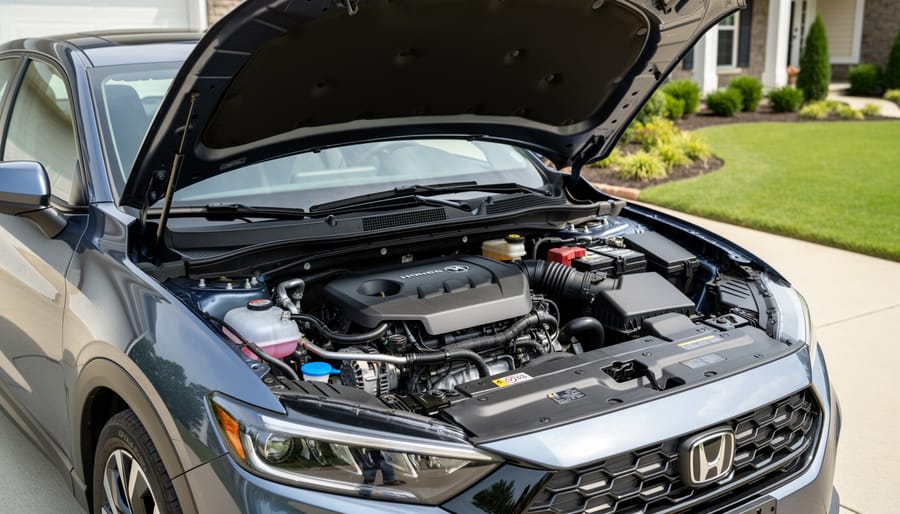
The actual installation phase demands meticulous attention to both mechanical compatibility and visual discretion. Start with reversible modifications whenever possible, bracket systems that bolt to existing mounting points rather than drilling new holes preserve originality and future options. Modern components often require custom fabrication: a fuel injection system might need new fuel lines routed through original pathways, or electronic ignition components hidden within period-correct distributors.
Successful integration means modern upgrades remain invisible or period-appropriate from casual inspection. Braking systems can hide modern calipers behind original-style wheels, while electronic components tuck into existing cavities. Wire harnesses follow factory routing patterns, using correct-gauge wiring even when bundling new circuits alongside original ones.
Document everything photographically before, during, and after installation. Label removed parts, preserve original hardware in marked bags, and maintain detailed notes about modifications. This documentation protects value and enables future restoration if needed. Many specialists use reversible fasteners and avoid cutting original metal unless absolutely necessary, modifications that can be undone command better resale prices and broader collector appeal than permanent alterations.
Types of Modernization Approaches
Safety and Reliability Systems
Safety-minded collectors prioritize four upgrade categories that deliver measurable protection without compromising a vintage car’s period look. Modern dual-circuit braking systems top the list, replacing single-circuit master cylinders with contemporary dual-reservoir units ensures that if one hydraulic circuit fails, half your brakes still function. Paired with upgraded wheel cylinders, modern brake pads, and stainless steel lines, these systems transform stopping performance while remaining invisible once installed.
Lighting improvements follow close behind. Halogen or LED bulb conversions inside original housings preserve external authenticity while research shows IIHS headlights reduce crashes significantly through better visibility. Period-correct sealed-beam housings now accept modern H4 bulbs, and brake light upgrades to dual-filament bulbs add redundancy without changing the lens appearance.
Seat belt installations present the most visible safety upgrade, yet discreet three-point systems mounted to factory floor points blend surprisingly well with vintage interiors. Studies confirm NHTSA seat belt risk reduction cuts fatality risk by 45 percent in front-seat occupants, a compelling argument even for purists. Properly installed belts anchor to the vehicle’s structure, not the seats, meeting modern engineering standards.
Electrical system modernization rounds out safety upgrades. Converting positive-ground systems to negative ground, installing modern alternators in place of generators, and upgrading wiring harnesses with proper gauge wire and modern insulation prevent electrical fires, a common hazard in brass-era vehicles. These changes remain largely hidden under the hood while delivering genuine peace of mind during tours and regular driving.
Performance and Drivability Enhancements
Brass-era and vintage automobiles were designed for an era of leisurely motoring on unpaved roads with minimal traffic. Making these vehicles compatible with modern highway speeds and traffic patterns requires thoughtful performance upgrades that respect their original character while dramatically improving drivability.
Engine management represents the most transformative performance upgrade available to collectors. Converting from carburetors to electronic fuel injection eliminates cold-start struggles, improves throttle response, and provides consistent performance regardless of altitude or temperature. Modern engine management systems can be calibrated specifically for vintage engines, optimizing fuel delivery and ignition timing while maintaining external authenticity. Many collectors install hidden ECU units that preserve the engine bay’s period appearance.
Transmission conversions address the reality that early gearboxes lack the ratios needed for sustained highway cruising. Overdrive units reduce engine rpm at speed, lowering stress and improving fuel economy without compromising acceleration. For vehicles with particularly challenging gear patterns, modern synchromesh transmissions adapted to period housings offer smoother shifts while maintaining original exterior appearance.
Suspension upgrades transform handling characteristics while preserving ride quality. Adjustable shock absorbers replace antiquated friction dampers, radial tire conversions improve grip and stability, and subtle spring rate adjustments reduce body roll without creating a harsh modern sports car feel. The goal remains authentic vintage driving dynamics, simply refined to handle contemporary road conditions safely and predictably.
Comfort and Convenience Features
Driving a brass-era or early classic car in modern conditions often means enduring cramped quarters, road noise, and summer heat that can turn a pleasant outing into an ordeal. Comfort upgrades address these challenges without compromising a vehicle’s historical character.
Climate control represents the most transformative comfort modification. Discreet under-dash air conditioning units or systems integrated behind original grilles maintain period appearance while delivering genuine cooling. Heat can be improved through rebuilt heater cores or modern thermostatically controlled systems that work within original housings. The key is invisible integration, modern performance without visible modern components.
Power steering conversions eliminate the arm-wrestling match of parking lot maneuvers, particularly beneficial for larger brass-era touring cars with their cumbersome steering boxes. Modern hydraulic assist systems can be fitted to original steering columns, preserving the feel of mechanical steering while reducing effort by half or more.
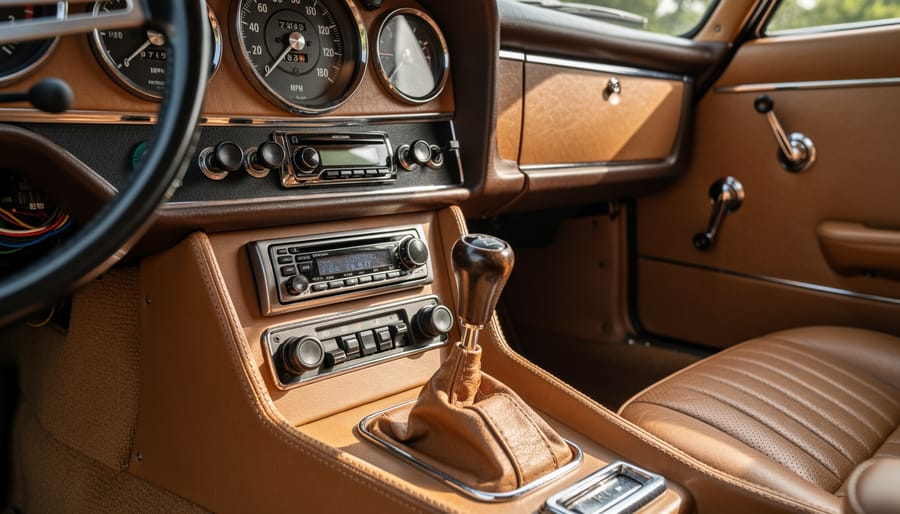
Audio systems pose aesthetic challenges, but solutions exist. Period-correct radio faces hiding Bluetooth receivers, speakers concealed in original locations, and amplifiers tucked beneath seats deliver contemporary sound quality without dashboard surgery. Some specialists even retrofit original radio cases with modern electronics.
Seating improvements, reupholstered with proper support, heated elements beneath period materials, address comfort without visual compromise. The goal remains consistent: modern amenity hidden within authentic appearance, ensuring these automobiles reward their drivers rather than punish them.
Common Uses and Applications
Collectors modernize vintage cars for fundamentally different reasons than they did two decades ago. The shift toward viewing classic automobiles as usable machines rather than static display pieces has transformed modernization from a controversial practice into a pragmatic response to how people actually want to experience automotive history in 2026.
Regular driving represents the primary motivation for most modernization projects. Owners who want to experience their brass-era or classic cars as transportation rather than occasional showpieces need reliability that original systems simply cannot provide. Modern braking prevents accidents in contemporary traffic. Fuel injection ensures consistent starts regardless of weather. Updated electrical systems power necessities like turn signals and hazard lights that enhance safety on public roads. These collectors value the driving experience enough to accept thoughtful modifications that keep their vehicles roadworthy.
Long-distance touring has become increasingly popular among vintage car owners, driving demand for comprehensive modernization. Cross-country rallies, heritage tours, and multi-day events require vehicles that can maintain highway speeds, handle varied terrain, and start reliably each morning. A brass-era car with modern cooling, improved suspension, and reliable ignition can complete thousand-mile tours that would be impractical or impossible with entirely original components.
Common applications for modernized vintage vehicles include:
- Daily or weekly driving in modern traffic conditions
- Long-distance touring events and multi-day rallies
- Car club activities requiring reliable operation
- Show-and-drive competitions valuing both presentation and performance
- Generational preservation for family members to experience and enjoy
Investment strategy also influences modernization decisions, though the calculus has shifted. While extensively modified vehicles typically command lower prices than pristine originals in the auction market, well-documented, reversible modernizations often enhance salability. Buyers in 2026 frequently prefer a vintage car they can actually drive over a museum piece requiring constant attention and trailer transport.
The generational preservation angle deserves particular attention. Collectors modernizing cars for their children or grandchildren prioritize creating positive experiences over maintaining absolute originality. A brass-era car that starts easily, drives safely, and provides enjoyment stands a better chance of remaining in the family than one requiring specialized knowledge and constant mechanical sympathy. These owners view selective modernization as ensuring their vehicles survive as appreciated automobiles rather than burdensome artifacts.

Impact on Value and Authenticity
Modernization creates complex ripples across a vintage car’s collector value and historical standing. The impact depends heavily on what you modify, how you execute those changes, and critically, whether future owners can undo your work.
Reversibility stands as the cardinal principle in preserving value. Modifications that bolt on without cutting, welding, or permanently altering original components typically maintain stronger market positions. Installing a modern ignition system that uses existing mounting points and wiring harnesses differs fundamentally from cutting the firewall to fit a contemporary HVAC unit. The first preserves options; the second eliminates them.
Market perspectives in 2026 reflect a pragmatic shift among collectors. While concours-level preservation still commands premium prices for museum-quality examples, a growing segment values drivable reliability over absolute originality. Brass-era enthusiasts increasingly recognize that a car stored in a garage for fear of mechanical failure serves neither its owner nor automotive heritage. Well-documented, thoughtful upgrades to brakes, electrics, and cooling systems often enhance rather than diminish value for driver-focused collectors.
Historical integrity operates on a different plane than mechanical originality. A 1915 touring car with modern radial tires and electronic ignition can still embody its era’s engineering philosophy and cultural significance. The threshold lies in visible alterations that betray the period character. Dashboard-mounted GPS units, conspicuous modern seats, or chrome wheels from the wrong decade erode authenticity more severely than hidden fuel pumps or upgraded brake master cylinders.
Documentation becomes your insurance policy. Photograph every step. Preserve all original parts you remove. Maintain detailed records of who performed the work, which components you installed, and why you chose specific modifications. This transparency demonstrates respect for the vehicle’s history while acknowledging contemporary practical realities. Serious collectors in 2026 appreciate honesty about modifications far more than they value poorly concealed attempts at presenting modified cars as original.
Frequently Asked Questions
Collectors considering modernization frequently grapple with similar concerns about value, practicality, and preservation. These questions reflect the delicate balance between making a vintage car more usable and respecting its historical significance.
Does modernizing a vintage car decrease its value?
The impact varies based on the vehicle’s rarity and the modification’s reversibility. High-quality, reversible upgrades like improved braking or electronic ignition typically have minimal negative impact on valuable brass-era models, while permanent alterations to rare, numbers-matching vehicles can significantly reduce collector value.
Which modifications should I prioritize first?
Safety-related systems offer the best return on investment for regularly driven vintage cars. Upgrading brakes, lighting, and adding seat belts makes the vehicle substantially safer without compromising authenticity, and these improvements are widely accepted even among purist collectors.
How should I document modifications to my vintage car?
Photograph every step of the process, retain all original parts you remove, and maintain detailed records of components installed, suppliers used, and work performed. This documentation proves invaluable for future owners, insurance purposes, and potential restoration to original condition.
Can modernization modifications be reversed?
Most well-planned modifications can be reversed if you preserve original components and avoid permanent alterations to the chassis or body. Systems like upgraded carburetors, electronic ignition, or improved suspension typically bolt in place of original equipment and can be swapped back without lasting evidence of the change.
The documentation question deserves particular attention because it directly affects your vehicle’s future value and marketability. Beyond basic records, consider maintaining a dedicated binder with supplier invoices, installation instructions, and before-and-after photographs. Include notes explaining your reasoning for each modification, which helps future owners understand your preservation philosophy. Store removed original parts properly with labels identifying what they came from and when they were removed.
Insurance considerations also factor into modernization decisions. Contact your collector car insurance provider before making significant modifications, as some upgrades may affect coverage or premiums. Certain improvements, particularly safety enhancements, might actually reduce insurance costs. However, undisclosed modifications could complicate claims if damage occurs, making transparency with your insurer essential.
The question of preserving originality while modernizing requires honest self-assessment about your vehicle’s significance and your goals as its custodian. A rare, historically important automobile with matching numbers deserves different treatment than a common model or one already modified from original condition. Understanding where your vehicle sits on this spectrum helps you make appropriate modernization choices that respect its place in automotive history while serving your practical needs.
Types or components
The components involved in modernizing a vintage car fall into distinct categories, each addressing specific functional improvements while maintaining the vehicle’s historical character.
Engine and Drivetrain Components include fuel injection systems that replace carburetors for reliable starting and consistent performance, electronic ignition modules that eliminate points-based systems, and modern alternators that provide stable electrical output. Transmission upgrades range from overdrive units to complete five-speed conversions that improve highway cruising capabilities.
Chassis and Suspension Elements encompass modern shock absorbers, polyurethane bushings, and adjustable coilover systems that transform handling without altering external appearance. Brake components represent critical safety upgrades: dual-circuit master cylinders, disc brake conversions for front wheels, and braided stainless steel brake lines that provide stopping power appropriate for modern traffic.
Electrical and Safety Systems include LED lighting retrofits using period-correct housings, modern wiring harnesses with proper circuit protection, and discreetly integrated safety equipment like three-point seat belts and turn signals. Climate control components such as vintage-style air conditioning units and electric cooling fans address comfort needs while preserving underhood aesthetics.
Each component category requires careful selection to ensure compatibility with the vehicle’s original engineering and intended use.
Modernizing a vintage car represents far more than a technical exercise in updating old machinery. It reflects an evolving philosophy within the collector car community, one that honors the past while acknowledging the realities of driving these remarkable automobiles in 2026. The collectors who choose thoughtful modernization understand that preserving automotive heritage doesn’t require accepting dangerous braking systems or unreliable electrical components that leave their cars stranded.
The modernization process, when executed with respect for the vehicle’s historical significance, creates a bridge between generations. These upgraded classics become ambassadors for automotive history, introduced to new enthusiasts who might otherwise find pre-war cars too intimidating or impractical to consider. A brass-era touring car with modern lighting can join weekend drives safely. A vintage sports car with improved braking can participate in rallies without compromising its driver or others on the road.
What matters most is intention. Successful modernization starts with understanding what makes your particular vehicle historically important, then carefully selecting which systems genuinely improve safety, reliability, and usability without erasing character. Documentation, reversibility where possible, and collaboration with knowledgeable specialists protect both the car’s integrity and its story.
These machines deserve to be driven, experienced, and celebrated, not merely stored. Thoughtful modernization ensures they remain viable, enjoyable parts of our automotive heritage for decades to come, connecting past craftsmanship with present-day passion.