
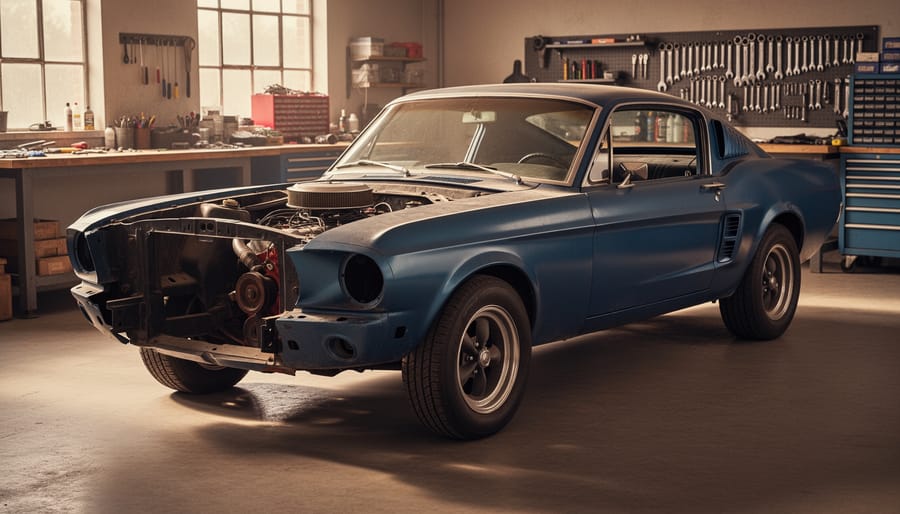
Restoring a classic car transforms a weathered piece of automotive history into a driving masterpiece, but the journey demands 300 to 1,500 hours of work, a methodical approach spanning disassembly to final assembly, and a realistic assessment of your skills, workspace, and budget before you turn the first wrench. The process follows a proven sequence: thorough documentation and teardown, body and frame repair, mechanical rebuilding, and finishing with paint and interior work. Success hinges on patience and attention to detail at every phase.
The allure of bringing a vintage automobile back to life appeals to collectors on multiple …
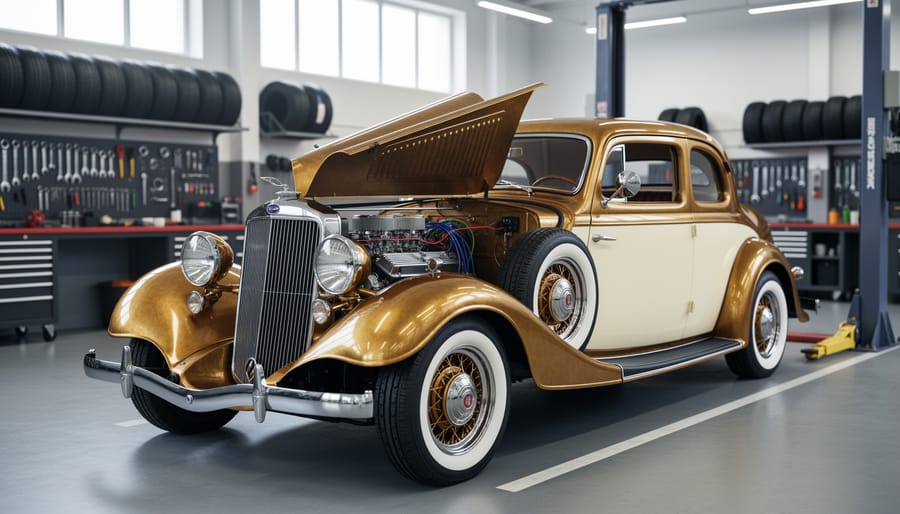
Modernizing a vintage car means upgrading its mechanical, electrical, and safety systems with contemporary components while preserving its classic appearance and character. The practice transforms a collectible automobile from a fragile show piece into a dependable driver that handles modern roads, traffic conditions, and daily use without compromising the aesthetic heritage that makes these vehicles valuable.
Collectors in 2026 face a fundamental tension between preservation and practicality. A meticulously original 1932 Ford roadster …
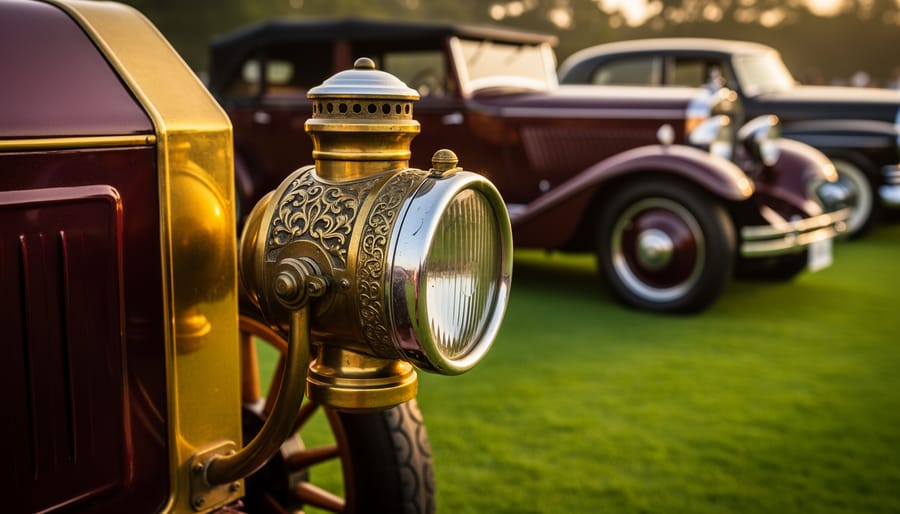
Examine the lens configuration first—sealed beam units indicate post-1940 manufacture, while separate bulb housings with ornate brass or nickel-plated reflectors signal pre-war craftsmanship. Look for manufacturer stampings on the rim or reflector housing, as companies like Guide, Dietz, and C.M. Hall produced distinctive designs that help pinpoint a vehicle’s production era within a few years.
Study the mounting style to understand engineering evolution across decades. Vintage automobiles from the brass era (1896-1915) featured acetylene or carbide lamps mounted on separate brackets, while cars from the 1920s transitioned …