
Classic Car Insurance Rules: What Collectors Must Know Before Purchasing Coverage
Classic car insurance operates under a distinct set of rules that differ fundamentally from standard auto policies, requiring vehicles to meet age thresholds (typically 20 to 25 years), maintain excellent or restored condition, and stay within strict annual mileage limits, usually between 1,000 and 5,000 miles. These policies rely on agreed-value coverage rather than actual cash value, protecting your investment at a predetermined amount that reflects the true market worth of your collector vehicle. You’ll also need to prove you own a modern daily driver, store your classic in a secure garage, and demonstrate that you’re an experienced driver, often over 25 years old, before insurers will extend specialized coverage.
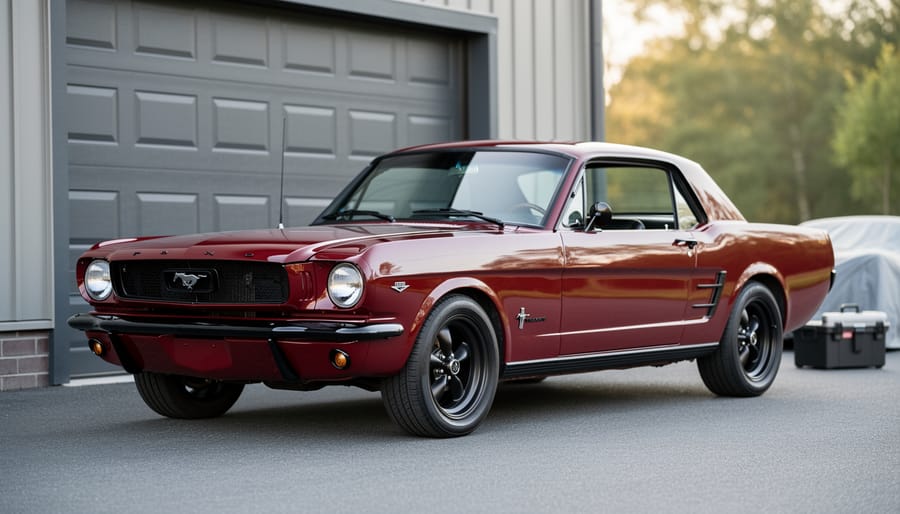
Understanding these requirements matters because traditional insurance companies view classic cars through a modern depreciation lens, a perspective that fails to account for the appreciation and careful preservation that define collector vehicles. The 1967 Mustang fastback you spent three years restoring isn’t just transportation. It represents craftsmanship, automotive heritage, and often an appreciating asset that deserves protection matching its significance.
The insurance landscape for vintage automobiles has evolved considerably since collectors first sought protection beyond basic liability coverage. Specialized insurers recognized that enthusiasts who trailer their cars to shows, perform meticulous maintenance, and limit road time present dramatically lower risk than daily commuters. This reality created a parallel insurance market built on trust, documentation, and mutual respect for automotive preservation. The rules governing this space reflect both the unique nature of classic vehicles and the responsible stewardship expected from their caretakers.
What Qualifies as a Classic Car for Insurance Purposes
Insurance companies don’t use the term “classic car” as loosely as enthusiasts do at car shows. To qualify for specialized classic car insurance, your vehicle must meet specific criteria that vary by insurer but follow consistent industry patterns.
Most insurers require vehicles to be at least 15 to 25 years old, though the sweet spot for classic designation typically starts at 20 years. However, age alone doesn’t guarantee classic status. The vehicle must be well-maintained or restored to a condition significantly better than a standard used car of the same vintage. Insurers expect these automobiles to retain or appreciate in value rather than depreciate like daily drivers.
Understanding how insurers categorize collector vehicles helps clarify what you can insure and at what rate:
- Classic Car
- Typically 20-40 years old, maintained in excellent or restored condition, and driven sparingly for pleasure rather than transportation.
- Antique Car
- Generally 45+ years old, preserved in original or period-correct restored condition, often eligible for antique vehicle registration.
- Vintage Car
- Manufactured between 1919-1930, representing the pre-Depression era when automotive design matured beyond basic transportation.
- Brass Era Car
- Built before 1919, named for the brass fittings common in early automotive history, requiring specialized coverage due to extreme rarity and value.
- Collector Vehicle
- A broader category encompassing any vehicle owned primarily for hobby purposes, including modern collectibles under 15 years old with historical significance.
Usage limitations matter as much as age. Insurers typically require that classic vehicles not serve as primary transportation. You’ll need proof of a daily-use vehicle and agree to mileage restrictions. Cars used for commuting, commercial purposes, or regular errands won’t qualify regardless of age.
Condition standards vary by classification. A 1967 Mustang might qualify as a classic if restored, but the same model in rough shape would need standard coverage. Insurers often require professional appraisals and photographs proving the vehicle’s condition merits collector status. Some companies specialize in cars undergoing restoration, but these policies differ from finished classic coverage.
The key distinction insurers care about: is this an appreciating collectible you’re preserving, or simply an old car you’re driving?
Core Eligibility Requirements Across Major Insurers
Storage and Garage Requirements
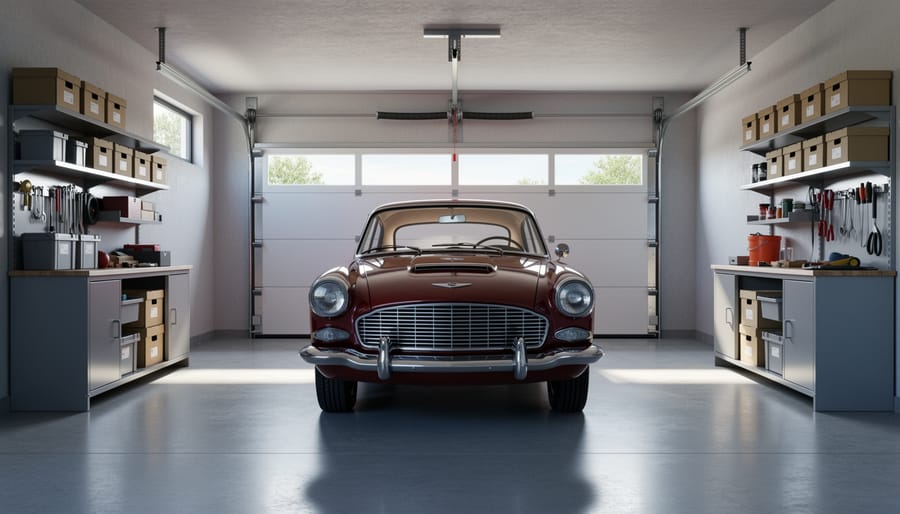
Classic car insurers universally require secure, enclosed storage when your vehicle isn’t on the road. This typically means a locked garage attached to your home or a dedicated storage facility, parking in a carport, under a tarp, or on the street will disqualify you from most policies.
The basic standard is a weathertight structure with a locking door, protecting your vehicle from theft, vandalism, and environmental damage. Some insurers accept pole barns or metal buildings if they’re fully enclosed and lockable, though construction quality may affect your premium.
Climate-controlled storage isn’t mandatory for most policies, but it demonstrates serious commitment to preservation. Temperature and humidity control prevent rust, paint degradation, and interior damage, factors that can lower your premium by 10-15% with certain insurers. This is particularly valuable for brass-era vehicles or cars with original paint and upholstery.
If you rent commercial storage space, insurers typically require proof of the facility’s security measures: surveillance cameras, gated access, and adequate fire suppression. Shared storage with other collector vehicles is acceptable, but you’ll need documentation showing your car has dedicated space and isn’t exposed to others’ activities.
Storage location matters too. Urban garages in high-crime areas carry higher premiums than rural facilities, regardless of security features.
Mileage Caps and Usage Restrictions
Classic car insurance policies impose strict mileage and usage rules that differ dramatically from standard auto coverage. Most insurers cap annual mileage between 1,000 and 5,000 miles, with 2,500 miles representing the industry sweet spot for balancing reasonable use against collector vehicle protection.
These limits aren’t arbitrary, they reflect the understanding that vintage automobiles serve as preserved pieces of automotive history rather than daily transportation. Insurers permit specific usage scenarios: car shows, club events, parades, and occasional pleasure drives. Some policies extend coverage to maintenance trips, appraisals, and storage facility transport.
What’s explicitly forbidden? Commuting to work, running errands, or using your classic as a backup vehicle when your daily driver needs service. Insurers require proof of a separate primary vehicle for household transportation needs. Track days and racing events are universally excluded unless you purchase specialized competition coverage.
Violating mileage caps risks claim denials. Insurers may request odometer readings or documentation of your vehicle’s usage patterns during claims investigations. Collectors who anticipate exceeding standard limits should negotiate higher mileage allowances upfront, typically available for increased premiums, rather than risk coverage gaps.
Driver and Ownership Criteria
Classic car insurers maintain strict driver qualifications that reflect the specialized nature of these vehicles. Most policies require the primary driver to be at least 25 years old, though some companies set the threshold at 21 or 30. This age minimum stems from actuarial data showing that mature drivers handle collector vehicles more responsibly and file fewer claims.
Your driving record matters significantly. Insurers typically expect a clean history with no major violations in the past three to five years. DUIs, reckless driving citations, or multiple at-fault accidents will likely disqualify you from classic car coverage or dramatically increase premiums. Minor infractions like a single speeding ticket generally won’t derail your application, but patterns of careless driving will.
The everyday vehicle rule surprises many first-time collectors. Insurers require that you own and insure at least one modern vehicle for daily transportation. This policy prevents collectors from using their vintage cars as primary transport, which would violate mileage restrictions and increase risk. The insurer wants confirmation that your classic remains a cherished second vehicle, not your daily commuter.
Some policies extend coverage to household members who meet these criteria, while others restrict driving exclusively to the named policyholder.
Agreed Value vs. Actual Cash Value: The Valuation Rule That Matters Most
The single most critical rule separating classic car insurance from standard auto coverage comes down to valuation: agreed value policies guarantee a predetermined amount in case of total loss, while actual cash value policies reimburse only the depreciated market value at the time of the claim. For collectors who’ve invested years and significant capital into acquiring or restoring a vehicle, this distinction can mean the difference between recovering your full investment and receiving a fraction of what your car is truly worth.
Actual cash value coverage works like standard car insurance. If disaster strikes, the insurer determines current market value, deducts depreciation, and pays out accordingly. This approach fails collector vehicles spectacularly because it ignores restoration costs, rarity premiums, originality factors, and condition improvements you’ve made since purchase. An appraiser unfamiliar with your car’s specific provenance might reference generic sales data rather than understanding what makes your particular example valuable within automotive history.
Agreed value coverage establishes a fixed insured amount upfront through a detailed appraisal process. You and the insurer review documentation, photographs, restoration receipts, and comparable sales to determine your vehicle’s true replacement value, then lock in that figure for the policy term. If a total loss occurs, you receive the agreed amount without depreciation arguments or claims adjuster disputes. This method protects cars whose value has nothing to do with age-based depreciation curves and everything to do with condition, originality, and collector demand.
The appraisal process typically requires professional documentation from a certified appraiser who specializes in your vehicle’s era and marque. They’ll assess mechanical condition, restoration quality, matching numbers authenticity, and market position based on recent auction results and private sales. For brass-era vehicles or rare models with limited comparable sales, appraisers often rely on restoration costs, originality premiums, and expert opinion from marque specialists. This figure becomes your coverage baseline and should be updated periodically as the classic car worth appreciation or restoration improvements increase value.
Experienced collectors refuse actual cash value policies precisely because they understand that no standard claims process can properly value a meticulously restored vehicle or a rare survivor-condition example. Agreed value isn’t just preferable for classic cars; it’s essential protection for anyone serious about car collecting.
Documentation and Appraisal Requirements
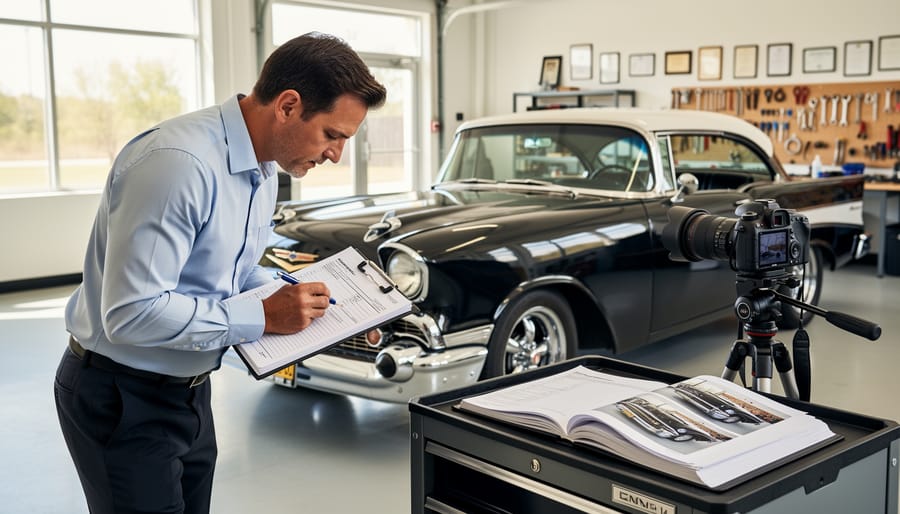
Classic car insurers won’t take your word on what your vehicle is worth. They need proof, and that means assembling a comprehensive paper trail before you can secure agreed value coverage.
The cornerstone is a professional appraisal from a certified evaluator recognized by your insurer. This isn’t a casual estimate, it’s a detailed written assessment documenting the vehicle’s condition, originality, market value, and any unique features. Appraisers examine everything from chassis integrity to matching numbers, paint quality to interior authenticity. Most policies require appraisals updated every three to five years, or sooner if you’ve completed significant work that changes the vehicle’s value.
Your restoration receipts form the second critical layer. Save every invoice from bodywork, engine rebuilds, upholstery, chrome plating, and mechanical work. These receipts substantiate the appraised value and prove you’ve invested in proper restoration techniques rather than shortcuts. For high-value restorations, insurers often want dated receipts showing progressive investment, not just a final total.
Photograph documentation matters more than many collectors realize. Take multiple high-resolution images from every angle, exterior, interior, engine bay, undercarriage, trunk, and close-ups of VIN plates and unique details. Date-stamped photos create a visual record of condition at the time of policy initiation. Update these annually or after any restoration work.
For brass-era vehicles, pre-war rarities, or models with contested provenance, expect additional verification. Insurers may require factory build sheets, ownership history documentation, or certification from marque-specific registries confirming authenticity. Coachbuilt cars often need letters from recognized historians verifying the body’s provenance.
Keep this documentation organized in both physical and digital formats. When a claim happens, you’ll need to produce it quickly, and a well-maintained file can mean the difference between a smooth settlement and a disputed payout.
Coverage Options and Special Policy Features
Classic car insurance extends far beyond standard liability and collision coverage, offering specialized protections that recognize the unique needs of collector vehicles. Understanding these options helps you build a policy that safeguards every aspect of your investment, from the vehicle itself to the components and experiences that make ownership rewarding.
Most specialized insurers offer spare parts coverage, protecting your inventory of original components, reproduction pieces, and hard-to-find mechanical parts stored in your garage or workshop. This proves invaluable for collectors who maintain stockpiles of period-correct parts for authenticity or maintain multiple project vehicles. Coverage typically extends to parts valued between $5,000 and $50,000, with higher limits available for extensive collections.
Restoration-in-progress insurance fills a critical gap for vehicles undergoing comprehensive rebuilds. Standard policies often exclude non-operational vehicles, but this specialized coverage protects your partially disassembled project at its current value plus invested restoration costs. The policy adjusts as work progresses, covering everything from a bare chassis to a nearly completed restoration awaiting final paint.
| Coverage Type | What It Protects | Typical Cost Impact |
|---|---|---|
| Spare Parts Coverage | Stored components and reproduction pieces | +$50-200/year for $10K-25K coverage |
| Restoration-in-Progress | Non-operational vehicles during rebuild | Based on current + invested value |
| Vintage Roadside Assistance | Flatbed towing and specialized recovery | Often included or +$25-75/year |
| Show & Auction Coverage | Vehicle at events, in transit, on display | Usually included with mileage allowance |
Roadside assistance for classic vehicles differs substantially from standard auto club services. Specialized programs provide flatbed towing rather than wheel-lift service, protecting suspension and drivetrain components. Some insurers include coverage for breakdowns at events, accommodating the reality that vintage vehicles occasionally require attention far from home.
Travel and event coverage protects your vehicle during transport to shows, auctions, and club gatherings. This extends your policy beyond your garage, covering the vehicle while on display, in judging areas, or participating in parade laps. Collectors passionate about classic show history appreciate knowing their vehicles remain protected while celebrating automotive heritage at events nationwide.
What Voids Classic Car Insurance: Rules for Maintaining Coverage

Classic car insurance policies include specific conditions that, if violated, can result in claim denials or policy cancellation. Understanding these boundaries protects your coverage when you need it most.
Unauthorized Modifications and Undisclosed Changes
Insurers base your agreed value on your vehicle’s documented specifications. Swapping the original engine for a modern V8, modernizing a vintage car’s electrical system, or installing aftermarket performance parts without notifying your insurer can void coverage. Even cosmetic changes like non-original paint colors or interior modifications should be reported. The policy protects what was appraised, not what you alter afterward.
Exceeding Mileage Limits
Most classic policies cap annual mileage between 1,000 and 5,000 miles. Insurers may request odometer readings periodically. Exceeding your stated limit, even by a few hundred miles, violates the usage agreement. One collector had a claim denied after an accident occurred 200 miles beyond his 2,500-mile annual cap, documented by service records the adjuster reviewed.
Commercial Use and Prohibited Activities
Using your classic car for ride-sharing, wedding rentals, film work, or any commercial purpose automatically voids personal collector coverage. Regular commuting to work also falls outside permitted use, regardless of distance.
Storage Violations
Parking your insured classic outside or in an unlocked structure breaches your policy’s garage requirement. Insurers who discover storage violations during claim investigations often deny coverage entirely. A few weeks of outdoor parking during garage renovations has cost collectors tens of thousands in rejected claims.
Failure to Report Restoration Progress
As restoration increases your vehicle’s value, failing to update your insurer leaves you underinsured at best, uncovered at worst. Report completed work quarterly and request appraisal updates annually during active restoration phases.
Common Questions About Classic Car Insurance Rules
New collectors navigating classic car insurance often encounter the same questions about policy rules and coverage options. These practical answers address the most common concerns when transitioning from standard auto insurance to specialized collector coverage.
Can I insure multiple classic cars under one policy and save money?
Most classic insurers offer multi-vehicle discounts ranging from 10-25% when you insure two or more collector vehicles on the same policy. These discounts recognize that you can only drive one vehicle at a time, reducing overall risk exposure.
When should I switch from standard insurance to a classic car policy?
Switch once your vehicle meets the age requirement (typically 25+ years) and you’ve established secure storage. Classic policies become cost-effective when your vehicle’s agreed value exceeds what standard insurance would pay in actual cash value, and you can accept the mileage restrictions.
Does classic car insurance cover my vehicle at international car shows?
Coverage varies by insurer, but many specialized policies extend protection to Canada and Mexico for shows and events. European travel typically requires additional international coverage or a temporary policy through a local provider.
Can I insure a partially restored project car?
Yes, but coverage options depend on the vehicle’s condition. Non-running projects typically qualify for comprehensive-only policies protecting against fire, theft, and damage during storage, while drivable projects can get full coverage with restoration-in-progress riders that account for increasing value as work proceeds.
Understanding these nuances helps collectors make informed decisions about their insurance needs. The rules governing classic policies differ significantly from standard auto insurance, reflecting the unique nature of collector vehicles and how enthusiasts use them.
One question that frequently arises concerns coverage during restoration work itself. Most insurers require you to declare major restoration projects and may adjust your agreed value periodically as improvements increase the vehicle’s worth. Keep detailed records of parts purchases and labor, as these receipts support valuation increases and claims if damage occurs during the restoration process.
Another common concern involves what happens if you exceed your annual mileage cap. Most insurers don’t automatically void your policy, but they may adjust your premium at renewal or require you to switch to a higher-mileage tier. Some policies include flexibility for occasional overages, particularly if you’re traveling to a significant show or event. Contact your insurer proactively if you anticipate exceeding limits rather than hoping it goes unnoticed.
Collectors also ask whether they need separate policies for spare parts collections and automotive memorabilia. Standard homeowners insurance typically provides minimal coverage for vehicle parts, making specialized riders or separate collector policies worthwhile for extensive parts inventories, especially for rare brass-era components or NOS parts that carry significant value beyond their functional purpose.
Understanding classic car insurance rules isn’t just paperwork, it’s protecting decades of automotive history and the investment you’ve made in preserving it. Whether you’re bringing home a meticulously restored 1932 Ford or a numbers-matching muscle car, the right coverage ensures that both the financial value and the heritage these vehicles embody remain secure.
The rules we’ve covered, from age and storage requirements to agreed value policies and documentation standards, exist because collector vehicles demand specialized protection. A standard auto policy can’t account for appreciation, restoration value, or the irreplaceable nature of vintage components. Working with insurers who understand this distinction makes all the difference.
Before you finalize any classic vehicle purchase, verify that you can meet the insurance requirements and secure proper coverage. Review storage options, confirm mileage restrictions fit your intended use, and obtain professional appraisals to establish accurate values. These steps protect not just your investment, but your ability to enjoy and share the automotive legacy you’re preserving.
Choose a specialized classic car insurer who recognizes that you’re not just covering transportation, you’re safeguarding passion, craftsmanship, and rolling history.